Skip to content
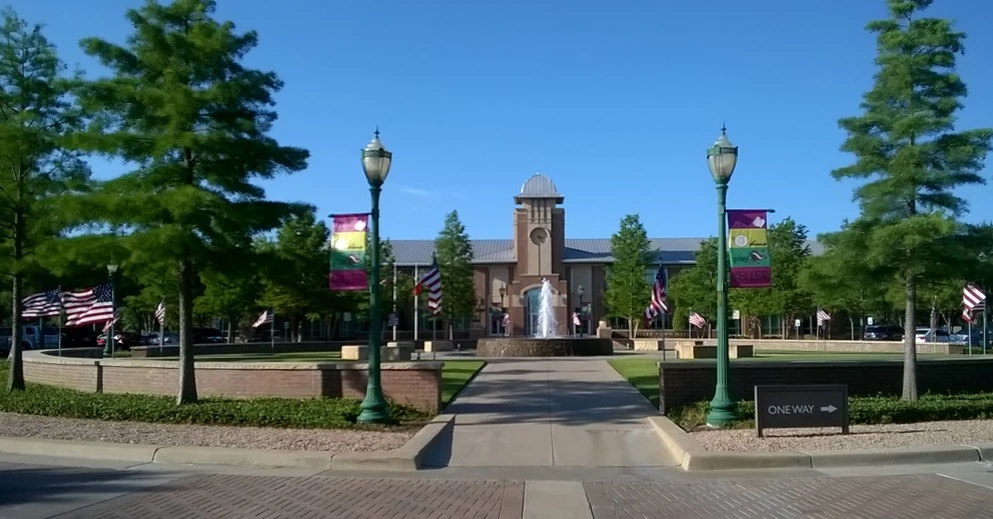
Flags outside Keller City Hall

Buying a home in North Texas

However you're buying, the smart first move is the same: understand the monthly payment, not just the price. Pick the section that sounds most like you, or read straight through.

By Glenn Wegner · Broker and owner, Lone Star Realty

First-time buyers

Buying your first home is a lot to learn at once. Here is what I'd want you to know before you start.

Look at the monthly payment, not just the price.

Two homes at the same price can cost very different amounts each month once taxes, insurance, HOA dues and any MUD or PID charges are added.

The number that matters is what the home costs each month, and the price alone doesn't tell you that.

Talk to a lender before you tour.

Then you know what you can comfortably spend and how much cash you need at closing.

Know your loan options, the cash you need at closing, and your priorities first. Then touring is a lot more useful.

Plan for cash beyond the down payment.

Closing costs, earnest money, the option fee and moving costs add up.

Don't skip the inspection.

It is your chance to learn what the home really needs before it is yours.

Ask questions early and often.

Nobody expects you to know this already.

The seller's tax bill may not reflect what you will pay. Before you make an offer, I check the tax records, the district information, and the seller's disclosures for any MUD taxes or PID assessments, and I build them into your numbers.

  • Loan principal and interest
  • Property taxes
  • Homeowner's insurance
  • HOA dues
  • MUD or PID charges where they apply
Back to top

New construction

New construction works differently from buying a resale home, and the builder's paperwork is not the same as a standard resale contract.

Builders usually use their own contract.

Read it carefully before you sign, and I'll walk through it with you.

Many builders ask that your agent come with you on your first visit, so call me before you walk in.

Get your own inspection, even on a brand new home.

Ask about the full cost, including lot premiums, upgrades, the tax rate and any MUD or PID charges.

If the builder offers an incentive, ask exactly how it works and what you would need to do to qualify, such as using a particular lender.

You can compare before you decide.

I've helped buyers purchase new construction many times, and I know how the builder's contract and process work. My loyalty is to you, and I'll guide you in your best interest.

Back to top

Cash buyers

Cash can make an offer simpler. It does not make the homework go away.

Still get an inspection.

The home's condition matters whether or not a lender is involved.

Still review the title commitment and the survey with your title company.

Have proof of funds ready.

Sellers often ask for it with the offer.

Be ready to talk about timing.

A flexible closing date can help your offer.

Back to top

Veteran buyers

I served 27 years in the Army and my family moved many times, so I know the rhythm of PCS orders. I'm not a lender or a VA representative, so your lender and the VA have the final word on loan details.

VA loans often allow you to buy with no down payment.

Your lender confirms what you qualify for.

Ask your lender early about your Certificate of Eligibility.

VA loans have their own appraisal and property condition requirements, and a funding fee may apply.

Ask your lender how those affect your purchase.

If you're on a PCS timeline, tell me your report date at the start so we can plan around it, including virtual tours if you can't be here yet.

VA home loan informationBack to top

Upsizing or downsizing

Know your equity and your timing before you shop.

Selling one home and buying another affect each other.

Ask about your options for lining up both closings, such as a contingency, a leaseback (rent-back) or closing on the same day.

Each has trade-offs, and I'll explain them.

Add up the costs of both moves, not just the new purchase.

If you're downsizing, compare HOA dues, taxes and upkeep, not just the square footage.

If you're 65 or older, ask the county appraisal district how your homestead tax limits would carry over to a new home.

Back to top

Financing

Your lender and your loan type shape your budget more than almost anything else.

Pre-qualified and pre-approved are not the same.

A pre-approval is based on verified documents, and it is what sellers take seriously.

Common loan types include conventional, FHA and VA.

Each has different down payment and mortgage insurance rules.

Compare at least two lenders using the official Loan Estimate form.

Ask how long a rate lock lasts and what it costs.

I can connect you with lenders who are experienced in VA, FHA, and conventional loans. You're free to compare them and choose, and I'll help you find the best deal for your situation.

Back to top

Forms and contracts

Most Texas resale purchases use standard forms from the Texas Real Estate Commission (TREC). Here is what you'll run into. I'm not an attorney, so for legal advice please talk to one.

The buyer representation agreement:

Before any showing, I explain our agreement: what I do for you, what my fee is, and who pays it. My fee as a buyer's agent is also 3% to 4%, it's negotiable, and we put it in writing before we tour a home. In my transactions so far, sellers have agreed to cover my fee every time. I can't promise that for your purchase, and I'll explain how it works before you sign.

The residential contract covers the price, closing date, earnest money, the option period and who pays what.

The option period and option fee give you the right to terminate for any reason within the agreed number of days.

Most inspections happen during this time.

Depending on your purchase you may also sign a financing addendum, an HOA addendum and review the seller's disclosure.

Ask me to explain any form before you sign it.

Back to top

How buying works

1. We talk.

I ask where you are on pre-qualification, when you need to move, and what the family needs: location, beds, baths, and budget.

2. You get a plan.

A full consultation, a realistic budget, and a short list of places and homes that fit.

3. We tour.

We see homes that fit your plan and talk through what we notice.

4. We write an offer.

We decide the price, terms and timeline together.

5. Option period and inspection.

You inspect the home, and we negotiate any repairs.

6. Financing, appraisal and title.

Your lender and the title company do their work, and I keep it on schedule.

7. Closing and keys.

We review the final numbers and you get the keys.

Back to top

I work with all kinds of buyers and sellers. Everyone I work with gets the same care and the same effort.

Tell me what you're trying to do

Start with email or phone—whichever you prefer. Your request is sent securely to Lone Star Realty, and I’ll follow up myself.